
Share the property details
Send the location, equipment, symptoms or planned changes, and who can approve the work. Existing labels and service records help define the request.
Use Hamilton HVAC Pros to request heating or cooling work for your property. Choose the relevant service and describe the equipment, location, and help you need.
How can you tell whether a thermostat fault needs repair or replacement?
A thermostat that will not turn on, displays an unexpected temperature, or does not control heating or cooling consistently may have a power, wiring, sensor, or control fault. Testing the thermostat alongside the HVAC equipment helps distinguish a failed control from a problem elsewhere in the system. Repair may suit a fixable fault, while replacement requires checking compatibility, wiring, and equipment staging before selecting a programmable or smart model.
Read the thermostat repair & replacement guide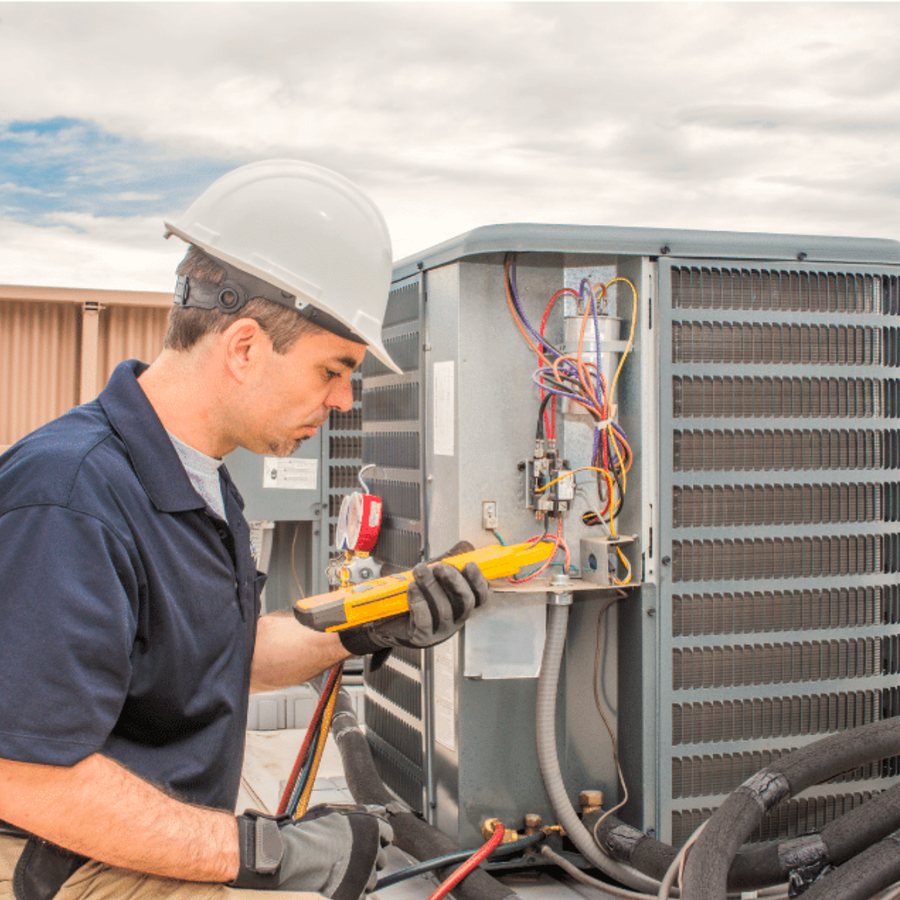
Use accessible labels and existing records. Leave internal equipment inspections and repairs to a qualified contractor.
Describe the work first, then confirm the people, timing, and terms before making a commitment.
Send the location, equipment, symptoms or planned changes, and who can approve the work. Existing labels and service records help define the request.
Confirm coverage, contractor availability, and what the assessment includes before agreeing to an appointment. Submission alone does not book a visit.
Ask which findings support the work, what is included or excluded, and how completion will be checked. Agree on pricing and terms with the contractor.
Start with the installed equipment and its manufacturer instructions. Maintenance needs depend on the appliance and its use. Keep service records and ask a qualified contractor which seasonal inspections apply.
Note the thermostat model, display behaviour, battery condition where applicable, and which heating or cooling calls fail to reach the equipment. Voltage and wiring checks, transformer output, and a test of the control call help locate the fault. The connected furnace, heat pump, or other system and its staging determine which replacement models can operate it correctly.
A blank or unresponsive thermostat may have a simple power issue or a fault in the control circuit. Diagnosis can check applicable battery condition, voltage at the thermostat, transformer output, wiring connections, and whether a call for heat or cooling reaches the equipment. If the equipment does not respond despite a valid call, the fault may lie beyond the thermostat. These findings prevent replacing a control before locating the cause.
Share the property location and the work you need so the request can be reviewed.
The configured service area includes these communities. Include your property location so coverage and appointment availability can be confirmed.