How can an inspection distinguish an airflow restriction from a refrigerant problem?
An air conditioner that blows warm air, cools unevenly, ices up, makes noise, or will not start needs diagnosis before parts are selected. Central systems and ductless mini-splits have different airflow paths and components, so the equipment type and the conditions when cooling changes matter. A restricted filter or coil can produce symptoms that resemble a refrigerant fault. Repair, maintenance, and replacement are separate decisions based on inspection and system condition.
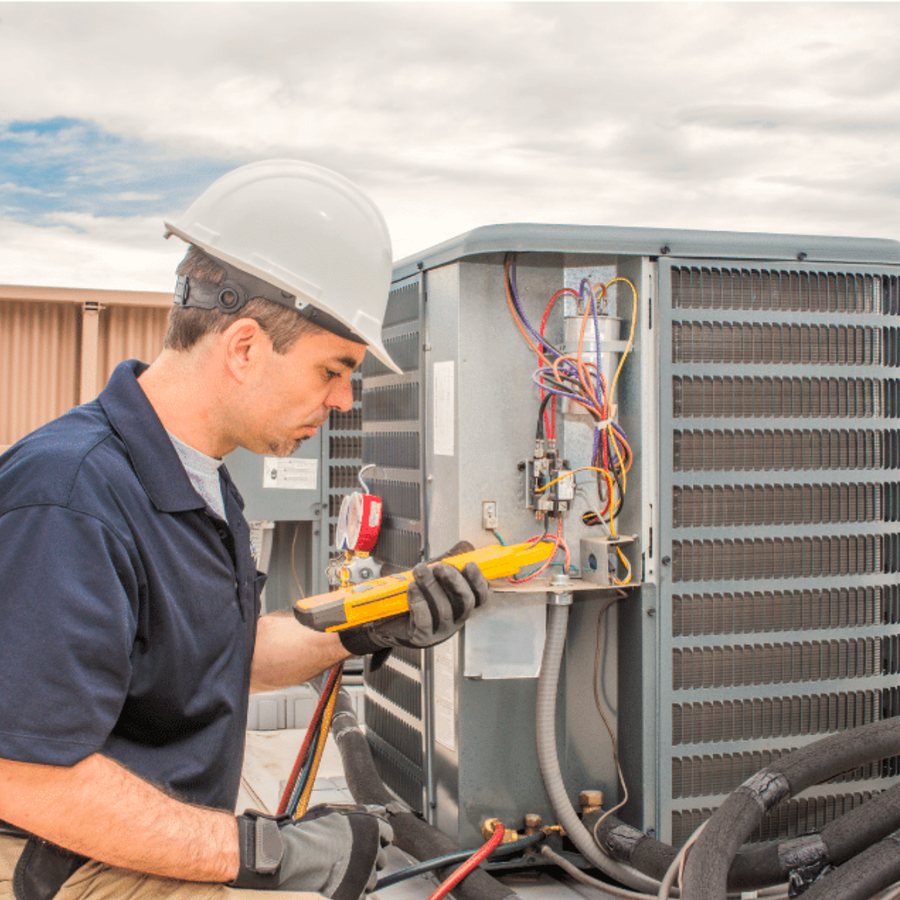
The assessment should note whether the system is central or ductless, whether the indoor or outdoor unit operates, and when cooling weakens or ice appears. Filter and grille condition, coil observations, electrical tests, and refrigerant-system measurements help distinguish restricted airflow from a charge or component problem. Those findings guide the repair and help determine whether a larger system condition needs consideration.
Airflow restrictions, icing, refrigerant, and cooling measurements
Filters, grilles, coils, thermostats, and ductwork where present
Electrical components, refrigerant type, compressors, and replacement decisions
Assessment and Scope
Questions for the Proposed Work
01
Find the cause of weak or warm cooling
An iced coil or warm air at the registers does not identify a single fault. Restricted airflow, a refrigerant problem, or an electrical component failure can produce overlapping symptoms. An inspection compares filter and coil condition with airflow and system measurements before deciding what to repair. On a ductless unit, the indoor head and outdoor section are considered together; on central air, the supply and return paths also matter.
02
Use maintenance findings to guide service
Maintenance is an inspection of condition, not a substitute for repairing a diagnosed fault. Filter and grille restrictions, coil condition, thermostat response, and airflow readings can reveal why cooling is limited or why the system is operating outside expected conditions. If ductwork is present, its condition may be relevant when measurements indicate a restriction. The equipment instructions and inspection findings should determine any cleaning or adjustment.
03
Weigh component repair against replacement
A failed capacitor, contactor, or fan motor is a different scope from a refrigerant leak or compressor fault. The refrigerant type, leak location, component condition, and system age help frame whether repair is practical. Where a system uses a refrigerant with changing availability, confirm the specific equipment and service implications rather than assuming replacement is necessary. Compare findings and repair scope before deciding whether to keep or replace the unit.
Compare the next step
Identify whether each earlier repair addressed the same diagnosed cause or a different symptom. Ask which measurements support the next recommendation and how the completed repair will be verified. Compare the complete fault history with a replacement proposal before treating repeated visits as proof that replacement is unavoidable.
Do not open electrical panels or handle refrigerant. If ice, water near electrical equipment, or abnormal operation is present, stop using the affected system and request an assessment.